Discover age of exploration facts that changed history. Learn about explorers, global trade, and the impact of this era on the modern world.
Age of exploration facts reveal one of the most transformative periods in human history, when European explorers set out to map the world and discover new lands. Beginning in the 15th century, this era reshaped global trade, culture, and geography. These age of exploration facts highlight the motivations, key figures, and lasting consequences of this period.
In this guide, you will explore 14 detailed age of exploration facts that explain how exploration connected continents, created empires, and changed the course of history forever.
These early discoveries laid the groundwork for future global conflicts and independence movements, including those explored in American Revolution facts.
Age of Exploration Facts That Changed History
Fact 1: The Age of Exploration Began in the 1400s
One of the most important age of exploration facts is that it began in the early 15th century and continued into the 17th century, driven by the search for trade routes and wealth.
Fact 2: Portugal Led the Early Expeditions
Portugal was one of the first nations to explore new sea routes, with explorers mapping the coast of Africa and expanding maritime knowledge.
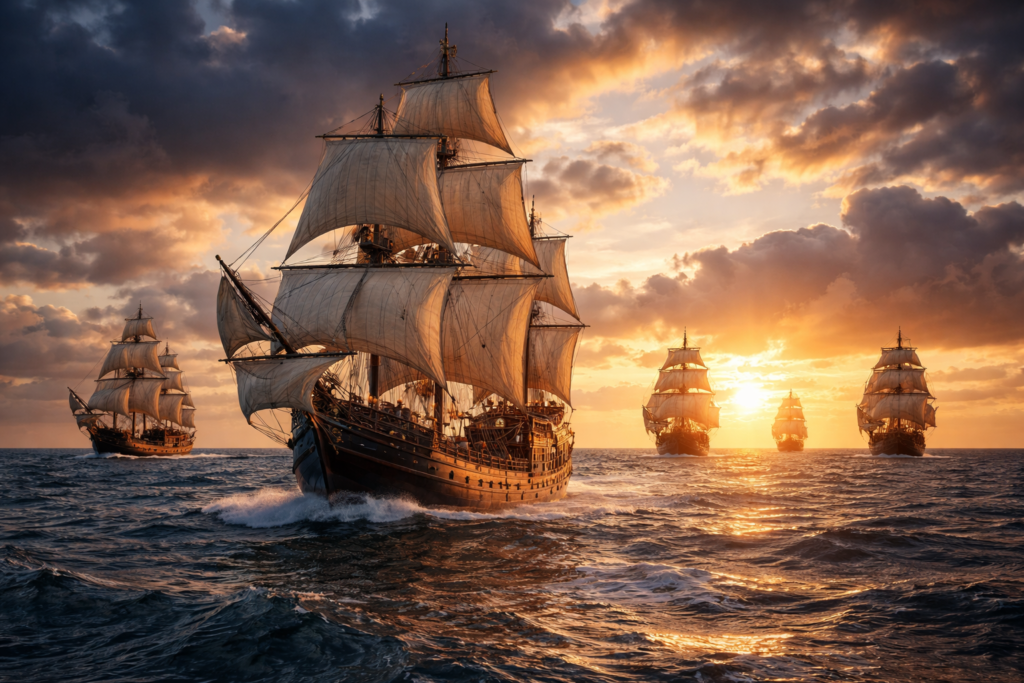
Fact 3: Christopher Columbus Changed History in 1492
Columbus’s voyage in 1492 marked a turning point, leading to European awareness of the Americas and triggering further exploration.
Fact 4: Explorers Were Searching for Trade Routes
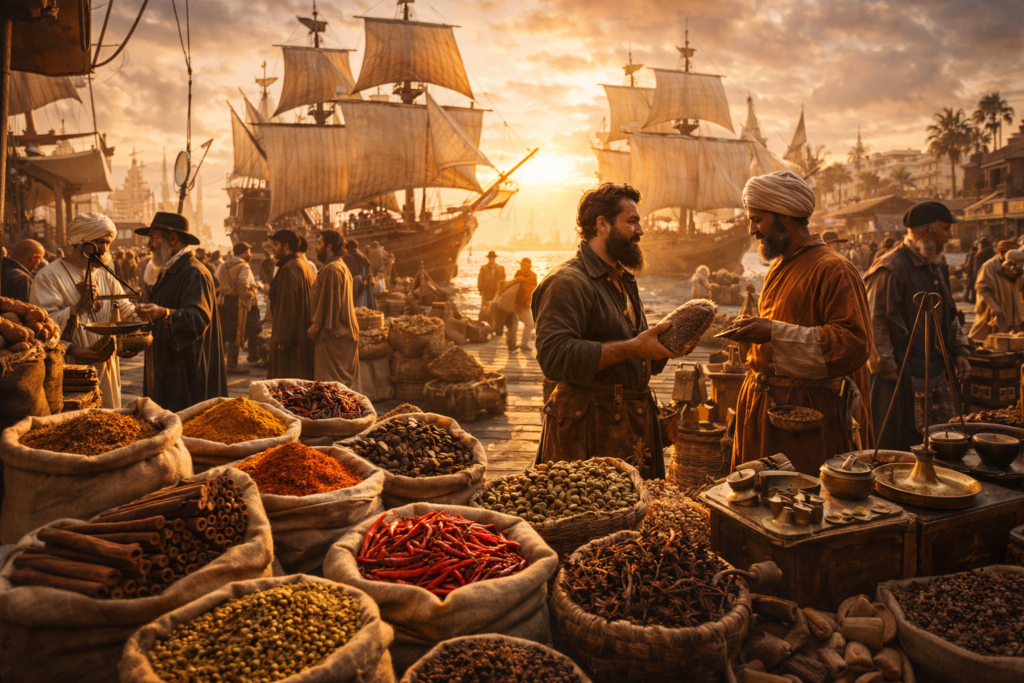
A key driver behind many age of exploration facts was the desire to find faster sea routes to Asia for valuable goods like spices and silk.
Fact 5: New Navigation Technology Made Exploration Possible
Advances in ship design, maps, and navigation tools allowed explorers to travel further than ever before.
Fact 6: The World Became More Connected
Exploration created global trade networks, linking Europe, Africa, Asia, and the Americas for the first time on a large scale.
Fact 7: The Columbian Exchange Transformed Diets
The exchange of plants, animals, and foods between continents changed diets worldwide, introducing items like potatoes and tomatoes to Europe.
Fact 8: It Also Spread Disease
One of the darker age of exploration facts is that diseases spread rapidly between continents, devastating indigenous populations.
Fact 9: Spain and Portugal Dominated Early Exploration
These two nations controlled much of the early exploration and divided newly discovered lands between them through agreements.
Fact 10: Other European Nations Joined Later
England, France, and the Netherlands later entered the race, expanding exploration and competition.
Fact 11: Famous Explorers Became Legends
Figures like Vasco da Gama, Ferdinand Magellan, and John Cabot became key names in age of exploration facts due to their groundbreaking voyages.
Fact 12: The First Global Voyage Was Completed
Magellan’s expedition achieved the first circumnavigation of the Earth, proving the planet could be travelled entirely by sea.
Fact 13: Exploration Led to Colonisation
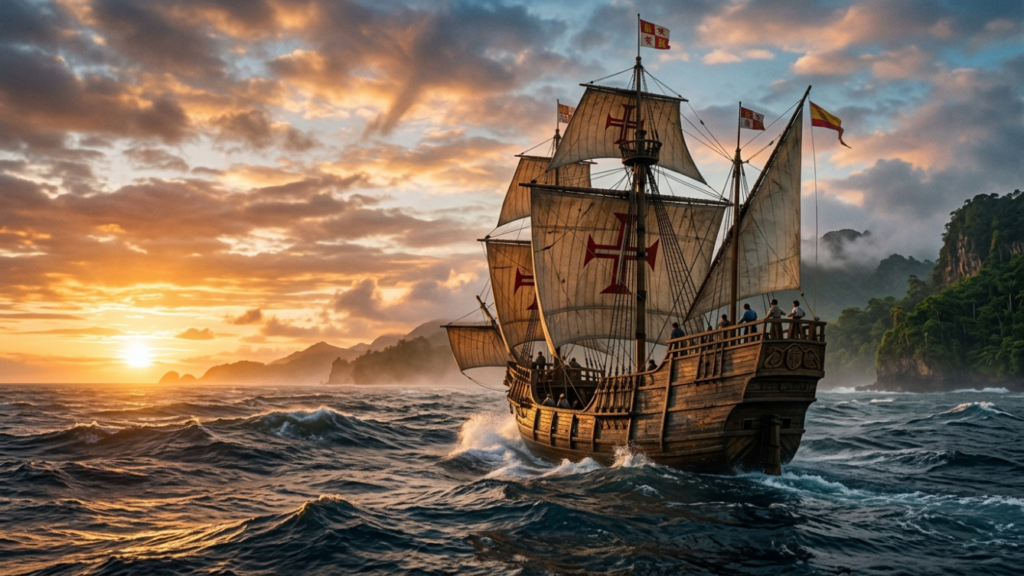
European powers established colonies across the world, gaining resources and influence but also reshaping societies.
Fact 14: It Changed Geography Forever
The Age of Exploration expanded knowledge of the world, leading to more accurate maps and a better understanding of global geography.
Related History Facts You Might Enjoy
The Age of Exploration laid the foundation for global connections that shaped future conflicts and empires. These developments influenced events like the American Revolution facts, where control of land and trade became central.
Exploration is part of a much longer journey of discovery. This progression can be seen in the space race facts, where exploration moved beyond Earth.
👉 Explore global discoveries: History facts hub
FAQ Section
What are age of exploration facts?
Age of exploration facts are key insights about the period when European explorers travelled the world and discovered new lands and trade routes.
When did the Age of Exploration happen?
It began in the early 1400s and continued into the 1600s, reshaping global history.
Why was the Age of Exploration important?
It connected continents, created global trade networks, and changed economies, cultures, and geography.
What were the consequences of the Age of Exploration?
It led to new discoveries and trade, but also caused colonisation, conflict, and the spread of disease.
Conclusion
Age of exploration facts show how a period of curiosity and ambition reshaped the world. These facts about the Age of Exploration highlight the discoveries, challenges, and lasting impact of exploration on global history.